Best CFD Brokers of 2025: Your Complete Guide to Regulated Trading Platforms
The Contract for Difference (CFD) trading landscape has evolved significantly in 2025, with enhanced regulatory frameworks and innovative technologies reshaping the industry. Finding the best CFD broker that combines robust regulation, competitive pricing, and advanced trading tools has become crucial for both novice and experienced traders.
After extensive research and analysis of over 25 major brokers, we've identified the top 5 regulated CFD brokers for 2025. Each broker on this list operates under strict regulatory oversight and maintains the highest standards of client protection. Rest assured, none of these brokers are scams – they're all legitimate, well-established financial service providers with proven track records.
Let's explore the top CFD trading platforms that are leading the market in 2025.
AvaTrade: The Global CFD Pioneer

AvaTrade stands out as one of the most established names in CFD trading, offering a comprehensive suite of financial instruments across multiple asset classes. With over 15 years of market presence, AvaTrade has built a reputation for reliability and innovation.
Key Features:
- Over 1,250 tradeable instruments including forex, stocks, commodities, and cryptocurrencies
- Multiple regulatory licenses across Europe, Australia, and Africa
- Award-winning trading platforms including MetaTrader 4, MetaTrader 5, and proprietary AvaTradeGO
- Advanced risk management tools and negative balance protection
Pros:
- ✅ Highly regulated across multiple jurisdictions
- ✅ Excellent educational resources and market analysis
- ✅ No dealing desk execution model
- ✅ Multiple deposit and withdrawal methods
- ✅ Professional client accounts with higher leverage
Cons:
- ❌ Higher minimum deposit compared to some competitors
- ❌ Limited cryptocurrency CFD options
- ❌ Inactivity fees may apply
Minimum Deposit: $100
Pepperstone: The Technology-Focused Broker

Pepperstone has established itself as a technology leader in the CFD space, offering lightning-fast execution and some of the tightest spreads in the industry. The broker's commitment to transparency and innovation makes it a top choice for serious traders.
Key Features:
- Access to over 1,200 CFD instruments
- Ultra-fast execution with average speeds of 30 milliseconds
- Tier-1 liquidity providers ensuring competitive pricing
- Advanced charting tools and market analysis
Pros:
- ✅ Excellent execution speeds and tight spreads
- ✅ Strong regulatory oversight (ASIC, FCA, DFSA, BaFin, CMA, SCB)
- ✅ Comprehensive trading platform options
- ✅ Transparent pricing model
- ✅ Professional tools and analytics
Cons:
- ❌ Higher minimum deposit requirement
- ❌ Limited educational content for beginners
- ❌ No guaranteed stop losses
Minimum Deposit: $200
M4Markets: The Rising Star of CFD Trading

M4Markets Regulated Broker has quickly emerged as a formidable player in the CFD trading arena, combining cutting-edge technology with competitive trading conditions. This regulated CFD broker offers a balanced approach that caters to both retail and professional traders.
Key Features:
- Over 1,000 CFD instruments across major asset classes
- Multi-regulated environment ensuring client safety
- Advanced MetaTrader platforms with custom indicators
- Competitive spreads starting from 0.0 pips on major pairs
Pros:
- ✅ Strong regulatory framework and client protection
- ✅ Competitive trading conditions with low spreads
- ✅ Excellent customer support in multiple languages
- ✅ Modern trading infrastructure and technology
- ✅ Flexible account types for different trader profiles
Cons:
- ❌ Relatively new compared to industry veterans
- ❌ Limited proprietary trading tools
- ❌ Deposit requirements may be higher for premium accounts
Minimum Deposit: $250
XM: The Trader-Friendly Platform
XM has built a loyal following by prioritizing trader satisfaction and offering some of the most flexible trading conditions in the market. With a focus on accessibility and comprehensive support, XM continues to attract traders worldwide.
Key Features:
- Access to over 1,000 financial instruments
- Multiple account types with varying leverage options
- Extensive educational resources including webinars and tutorials
- No minimum deposit on certain account types
Pros:
- ✅ Very low minimum deposit requirements
- ✅ Excellent educational resources and market research
- ✅ Multiple regulatory licenses for client protection
- ✅ Flexible leverage options up to 1:888 for professionals
- ✅ No re-quotes or hidden fees
Cons:
- ❌ Limited advanced trading tools
- ❌ Higher spreads on some exotic pairs
- ❌ Withdrawal processing times can be lengthy
Minimum Deposit: $5
Plus500: The User-Friendly CFD Platform
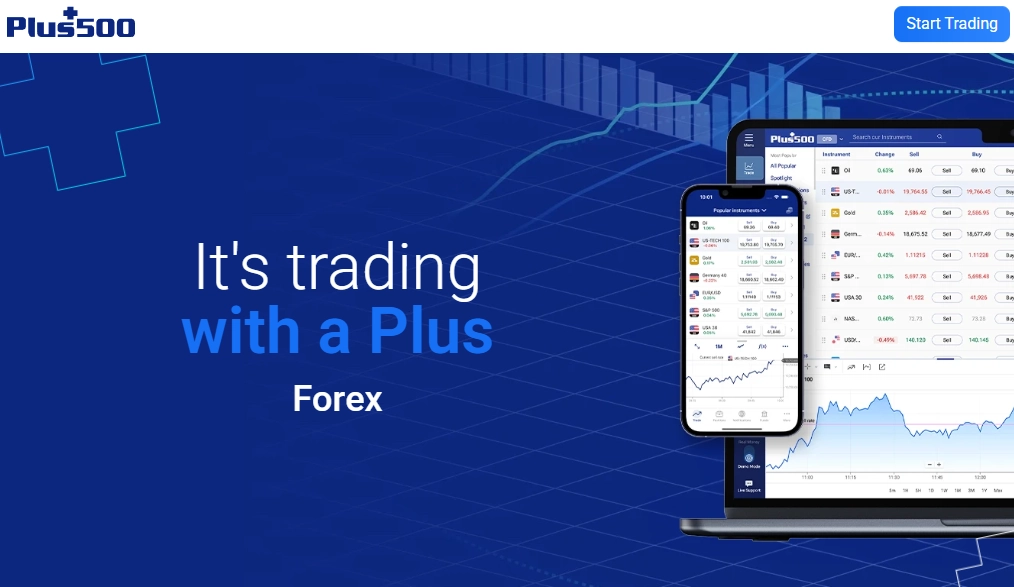
Plus500 has carved out a niche as one of the most user-friendly CFD platforms, making complex financial instruments accessible to traders of all experience levels. The broker's proprietary platform and strong mobile presence have contributed to its growing popularity.
Key Features:
- Over 2,000 CFD instruments including stocks, forex, and commodities
- Proprietary trading platform optimized for ease of use
- Strong mobile trading capabilities
- Guaranteed stop loss orders for risk management
Pros:
- ✅ Intuitive and user-friendly interface
- ✅ Strong mobile experience
- ✅ Guaranteed stop losses available
- ✅ No commission trading model
- ✅ Publicly listed company with transparent operations
Cons:
- ❌ Limited platform options (only proprietary platform)
- ❌ No MetaTrader support
- ❌ Higher spreads compared to ECN brokers
Minimum Deposit: $100
Compare Top CFD Brokers
|
CFD Broker
|
Range of Underlying Assets
|
Min Deposit
|
Min Contract Size
|
Max Leverage (Retail)
|
Max Leverage (Pro)
|
|
AvaTrade
|
1,250
|
$100
|
0.01 lots
|
1:30
|
1:400
|
|
Pepperstone
|
1,200
|
$200
|
0.01 lots
|
1:30
|
1:400
|
|
M4Markets
|
1,000
|
$250
|
0.01 lots
|
1:30
|
1:500
|
|
XM
|
1,000
|
$5
|
0.01 lots
|
1:30
|
1:888
|
|
Plus500
|
2,000
|
$100
|
0.01 lots
|
1:30
|
1:300
|
This comparison table highlights the key differences between our top-rated brokers, helping you make an informed decision based on your specific trading requirements and preferences.
Choosing the Right Broker: Key Factors to Consider
Selecting the best broker for 2025 requires careful evaluation of several critical factors. The CFD market offers numerous opportunities, but success largely depends on partnering with the right broker that aligns with your trading style and objectives.
1. Regulation and Trustworthiness
Regulatory oversight is the foundation of broker legitimacy and client protection. Top-tier regulated CFD brokers operate under strict supervision from reputable financial authorities such as the Financial Conduct Authority (FCA), Australian Securities and Investments Commission (ASIC), or Cyprus Securities and Exchange Commission (CySEC).
These regulatory bodies enforce stringent capital requirements, segregation of client funds, and transparent reporting standards. When evaluating brokers, verify their regulatory status and ensure they maintain adequate insurance coverage to protect your investments.
2. Trading Costs and Fees
Cost efficiency directly impacts your trading profitability. The best CFD brokers offer transparent pricing structures with competitive spreads, minimal commissions, and reasonable overnight financing rates. Consider both the immediate costs (spreads and commissions) and ongoing expenses (swap rates, inactivity fees).
Some brokers may advertise zero commissions but compensate with wider spreads. Others offer raw spreads with separate commission structures. Calculate the total cost of ownership based on your typical trading frequency and position sizes.
3. Available Instruments
Diversification opportunities depend on the range of CFD instruments offered by your broker. Leading platforms provide access to thousands of markets including major and minor forex pairs, stock indices, individual equities, commodities, cryptocurrencies, and bonds.
The availability of specific markets may vary based on your geographical location and regulatory restrictions. Ensure your chosen broker offers the instruments that align with your trading strategy and market preferences.
4. Trading Platforms
The trading platform serves as your primary interface with the financial markets. Advanced traders often prefer MetaTrader 4 or MetaTrader 5 for their comprehensive charting tools, automated trading capabilities, and extensive customization options.
Modern brokers also offer proprietary platforms optimized for specific trading styles or mobile accessibility. Evaluate the platform's stability, execution speed, analytical tools, and overall user experience before committing to a broker.
5. Customer Support
Reliable customer support becomes crucial when technical issues arise or market volatility demands immediate assistance. The best CFD brokers provide multilingual support through various channels including live chat, phone, and email.
Consider the support hours, response times, and the technical expertise of the support team. Some brokers offer dedicated account managers for high-volume traders, providing personalized assistance and market insights.
6. Deposit and Withdrawal Process
Efficient fund management capabilities ensure smooth trading operations. Evaluate the available deposit methods, processing times, minimum and maximum limits, and associated fees. The best brokers support multiple payment options including bank transfers, credit cards, and electronic wallets.
Withdrawal processes should be straightforward and transparent, with reasonable processing times and minimal fees. Some brokers may impose restrictions on withdrawal methods or require additional verification for larger amounts.


